Career and Technical Education (CTE) is essential to preparing students for today’s rapidly changing workforce. By integrating strong academics with technical instruction and hands-on, real-world learning, CTE helps students build in-demand skills and earn industry-recognized credentials. Whether students choose to enter the workforce after high school or pursue postsecondary education, CTE provides clear, connected career […]
To best understand the landscape of CTE, including identifying concrete policy solutions, we need to look at the data on participation and program and student outcomes in Pennsylvania. For the first time, PPC is sharing a new analysis of CTE data provided by the Pennsylvania Department of Education. For this report, data is for the 2022-23 school year. The data show that increased, sustained state investments are critical to CTE growth and the ability to meet students’ needs.
Each day, families struggle with food security and the ability to provide their children with healthy meals that fuel their minds and bodies. Lack of nutrient-rich food impacts child development, overall health outcomes, mental and behavioral health and academic achievement, performance, and participation. Free school breakfast has been one initiative provided to Pennsylvania school-aged children to combat child hunger and ensure students succeed.
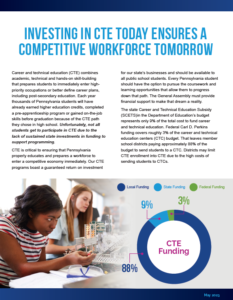
Career and technical education (CTE) combines academic, technical and hands-on skill-building that prepares students to immediately enter high-priority occupations or better define career plans, including post-secondary education. Each year thousands of Pennsylvania students will have already earned higher education credits, completed a pre-apprenticeship program or gained on-the-job skills before graduation because of the CTE path they chose in high school. Unfortunately, not all students get to participate in CTE due to the lack of sustained state investments in funding to support programming.
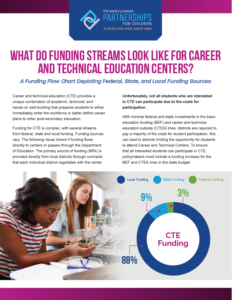
Career and technical education (CTE) provides a unique combination of academic, technical, and hands-on skill-building that prepares students to either immediately enter the workforce or better define career plans to enter post-secondary education. Funding for CTE is complex, with several streams from federal, state and local funding. Funding sources vary.






PAP4Children Follow 10,177 2,481
Pennsylvania Partnerships for Children is dedicated to improving the well-being of PA's 2.6 million kids. We're independent, non-partisan and non-profit.
💙 Today is National Child Health Day!
Every child deserves a healthy start and the opportunity to thrive. That means access to quality health care, perinatal health services, health coverage, immunizations, early intervention, behavioral health supports and the resources
October is National Children’s Health Month! 💙
Every child deserves a healthy start and the opportunity to thrive. That means access to perinatal health care, health coverage, vaccinations, early intervention and the resources families need from the very beginning.
💙 As Kinship Care Month comes to a close, we’re highlighting why kinship care matters.
📊 Research is clear: when children can’t stay with their parents, they do best with kin.
Kinship families can provide stability, cultural identity, resilient mental health & behavioral
🎓 Every student’s path after high school looks different. Career and technical education gives Pennsylvania students opportunities to explore their interests, build skills and prepare for the future.
We’re encouraged by continued investment in CTE and support for efforts to
The “right path” is different for every kid.
That’s why we’re investing in career and technical education — like the culinary arts and the trades here in Pennsylvania. Our latest state budget increases funding for these initiatives by another $10 million, so more kids can pursue