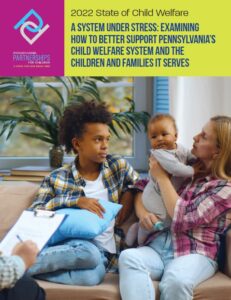
Our 13th annual State of Child Welfare report provides a 5-year analysis of how Pennsylvania fares with practices around child safety, placement, and permanency and includes county-level data and statewide and geographic trends to improve the child welfare system. We continue to analyze racial disparity and disproportionality across the child welfare system’s population (age 0-20).
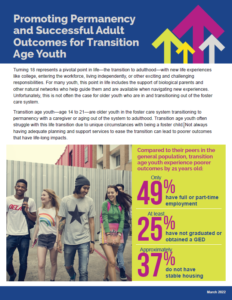
Transition age youth—age 14 to 21—are older youth in the foster care system transitioning to permanency with a caregiver or aging out of the system to adulthood. Transition age youth often struggle with this life transition due to unique circumstances with being a foster child.
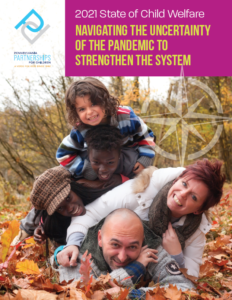
In an effort to improve Pennsylvania’s child welfare system, our 12th annual State of Child Welfare – a five-year analysis of how Pennsylvania fares with practices around child safety, placement and permanency – raises concerns about the need to strengthen the child welfare system as it uses data from 2020 – only the beginning of the COVID-19 pandemic – that shows decreases in child protective services reporting and the number of children placed in foster care statewide.
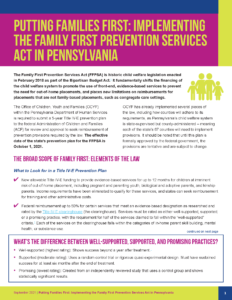
The Family First Prevention Services Act (FFPSA) is historic child welfare legislation enacted in February 2018 as part of the Bipartisan Budget Act. This fact sheet provides an update on the state Family First Prevention Services Act plan, promoting the use of front-end, evidence-based services and aims to prevent out-of-home placements for children.
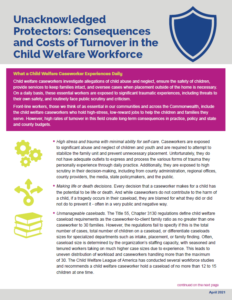
Front-line workers, those we think of as essential in our communities and across the Commonwealth, include the child welfare caseworkers who hold high-stress, low-reward jobs to help the children and families they serve. However, high rates of turnover in this field create long-term consequences in practice, policy and state and county budgets.

PAP4Children Follow 10,177 2,481
Pennsylvania Partnerships for Children is dedicated to improving the well-being of PA's 2.6 million kids. We're independent, non-partisan and non-profit.
💙 Today is National Child Health Day!
Every child deserves a healthy start and the opportunity to thrive. That means access to quality health care, perinatal health services, health coverage, immunizations, early intervention, behavioral health supports and the resources
October is National Children’s Health Month! 💙
Every child deserves a healthy start and the opportunity to thrive. That means access to perinatal health care, health coverage, vaccinations, early intervention and the resources families need from the very beginning.
💙 As Kinship Care Month comes to a close, we’re highlighting why kinship care matters.
📊 Research is clear: when children can’t stay with their parents, they do best with kin.
Kinship families can provide stability, cultural identity, resilient mental health & behavioral
🎓 Every student’s path after high school looks different. Career and technical education gives Pennsylvania students opportunities to explore their interests, build skills and prepare for the future.
We’re encouraged by continued investment in CTE and support for efforts to
The “right path” is different for every kid.
That’s why we’re investing in career and technical education — like the culinary arts and the trades here in Pennsylvania. Our latest state budget increases funding for these initiatives by another $10 million, so more kids can pursue